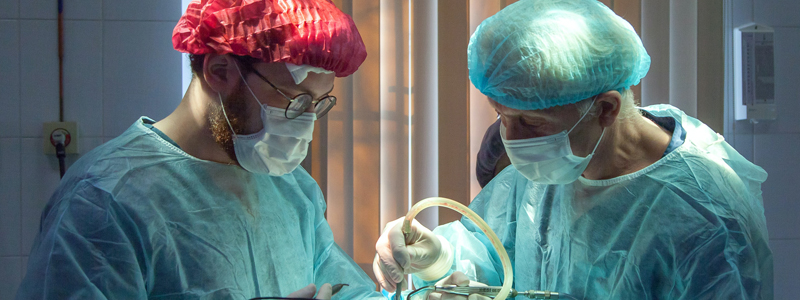
Image source: Olga Guryanova on Unsplash
The situation remains tense: Specialist surgeons are becoming a scarce commodity in rural regions. In addition to demographic change, it is above all the high workload, increasing bureaucracy and the poor work-life balance that make a career in surgery unattractive for the next generation.
Specialist in surgery: Why fewer and fewer young doctors are choosing this path
Training to become a specialist in surgery is long, demanding and physically and mentally stressful. In addition, there are now challenges that make the profession even less attractive:
Permanent staff shortages
Increasing administrative expenses
High time pressure in the OR and on the ward
Lack of flexibility in working time models
All of this contributes to the fact that many young doctors prefer to choose other specialties. According to recent surveys, fewer and fewer graduates of human medicine can imagine a future in surgery - especially in the inpatient sector.
Rural exodus and clinic closures exacerbate the shortage of specialists
The trend towards urbanization also means that clinics in rural areas are barely able to recruit young surgeons. Many hospitals are undersupplied or are facing closure. The German Society of Surgery (DGCH) has been warning of the consequences of this development for years.
New trend: part-time - but not in surgery, please?
An increasingly relevant aspect in the discussion about specialist surgeons is the topic of part-time work. Part-time work has long been established in many medical specialties - in surgery, however, the old ideal of the 60-hour doctor who is available around the clock often still applies.
This way of thinking puts many young surgeons - especially women and parents - off. But pilot projects show: Surgical activities can also be performed sensibly in part-time models - through good planning, flexible services and job sharing. Hospitals that rethink this can gain a strategic advantage in the long term.
How can clinics take countermeasures now?
Structural changes, but also quick, pragmatic solutions are needed to make the field of surgery more attractive again and to counter the shortage of young talent:
Creating better working conditions
Working time models, real relief through digitalization and more appreciation are essential.
Targeted promotion of young talent
Mentoring programs, transparent career paths and family-friendly offers can inspire young talent for surgery.
Regional networking and specialization
Instead of widespread understaffing, specialized surgical centers could be created that cooperate closely with smaller clinics. This would ensure quality - even if it means longer journeys for patients.
Professional HR consulting as a strategic lever
Hospitals that are unable to fill their surgical vacancies themselves should rely on specialized recruitment consultants. They specifically approach suitable specialists - both nationally and internationally - and thus increase the chances of recruiting urgently needed staff.
BESTMINDS - Your partner in recruitment for surgery
BESTMINDS has specialized in the placement of specialists and executives in the fields of medical technology, life sciences / pharma, IT / media, healthcare and energy / utilities for many years. We know the market, understand the needs of your clinic - and know how to find the right specialists for you.
Are you looking for a specialist in surgery?
Contact us for a non-binding initial consultation - together we will develop a customized recruitment strategy for your surgical department.
More articles for you